To start a DnD club you need five things settled before anyone rolls: a person who will run the game, a room you can use at the same time every week, the free rules, enough dice and character sheets for the whole table, and a first meeting where the group agrees how it wants to play. Clubs that keep meeting sort those five out early, so the table is ready to play by the first real session, and this guide takes them in the order you will meet them.
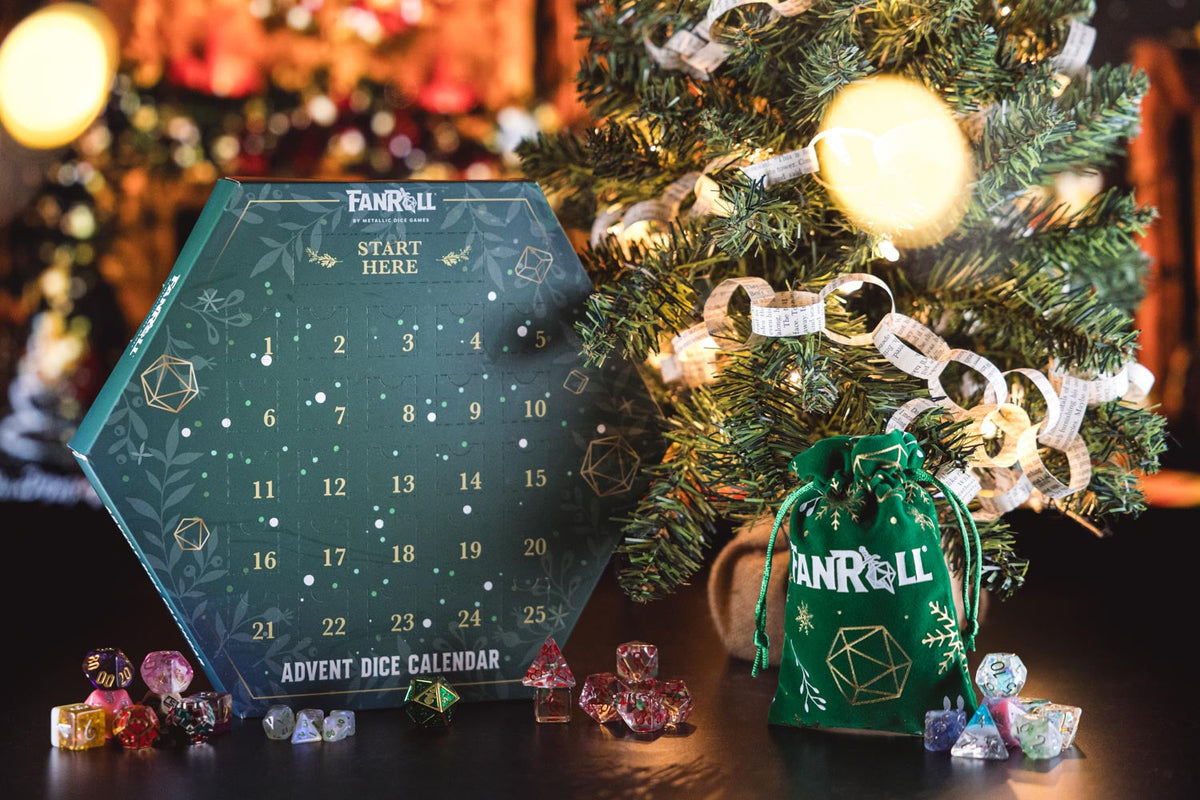
Shop a pound of assorted resin dice to equip the whole table at once: each pound holds approximately 80 to 100 dice and one mystery set, so nobody waits on a shared d20.
- Pick the person who runs the club, and decide who will be the dungeon master.
- Find a room: library, school, game store, a home, or a video call.
- Gather the free rules, dice, character sheets and pencils.
- Hold a session zero and agree the table rules.
- Set one weekly slot and keep it.
- Plan for growth before the table gets crowded.
Who runs the club, and does that person have to be an experienced DM?
The organizer and the dungeon master can be two different people, and in most new clubs they should be. The organizer books the room, keeps the roster, sends the reminders and answers questions from parents, teachers or the librarian. The dungeon master prepares and runs the game. Splitting the jobs means a first-time DM can focus on the game.
A new DM does not need years at the table. The free rules on D&D Beyond include the core of the game, and a short published starter adventure gives a first-timer a map, monsters and a plot that already work. The tips for dungeon masters on this blog cover what to do before, during and after a session.
If nobody in the group wants the DM chair, ask at a local game store or on the club's own sign-up sheet. Experienced players often say yes to running a game for beginners when someone else handles the organizing.
Where can a DnD club meet?
Pick the room before you recruit. People commit to a time and a place, not to an idea. Each option below has one requirement that decides whether it works for your group.
| Meeting place | What it needs | Works best for |
|---|---|---|
| Public library | A booked room and the library's rules on noise and hours | Clubs open to the public, mixed ages |
| School | A staff sponsor and a slot after classes | Middle school and high school clubs |
| Game store | The owner's agreement on table space and hours | Adult groups, finding more players |
| Someone's home | A host who is happy to repeat it weekly | Small groups of friends, up to one table |
| Online | A video call and a shared place for character sheets | Members spread across towns or time zones |
Whatever you choose, confirm you can have the same room at the same time for at least two months. A club that changes rooms every week loses people in the gap.
What does the club need for the first session?
Keep the first kit short. Dungeons & Dragons has been played since 1974, and the core of it still fits in a folder.
For how the game grew out of wargames and Chainmail, read our history of board games.
- The rules. The free rules on D&D Beyond are enough for a club's first year.
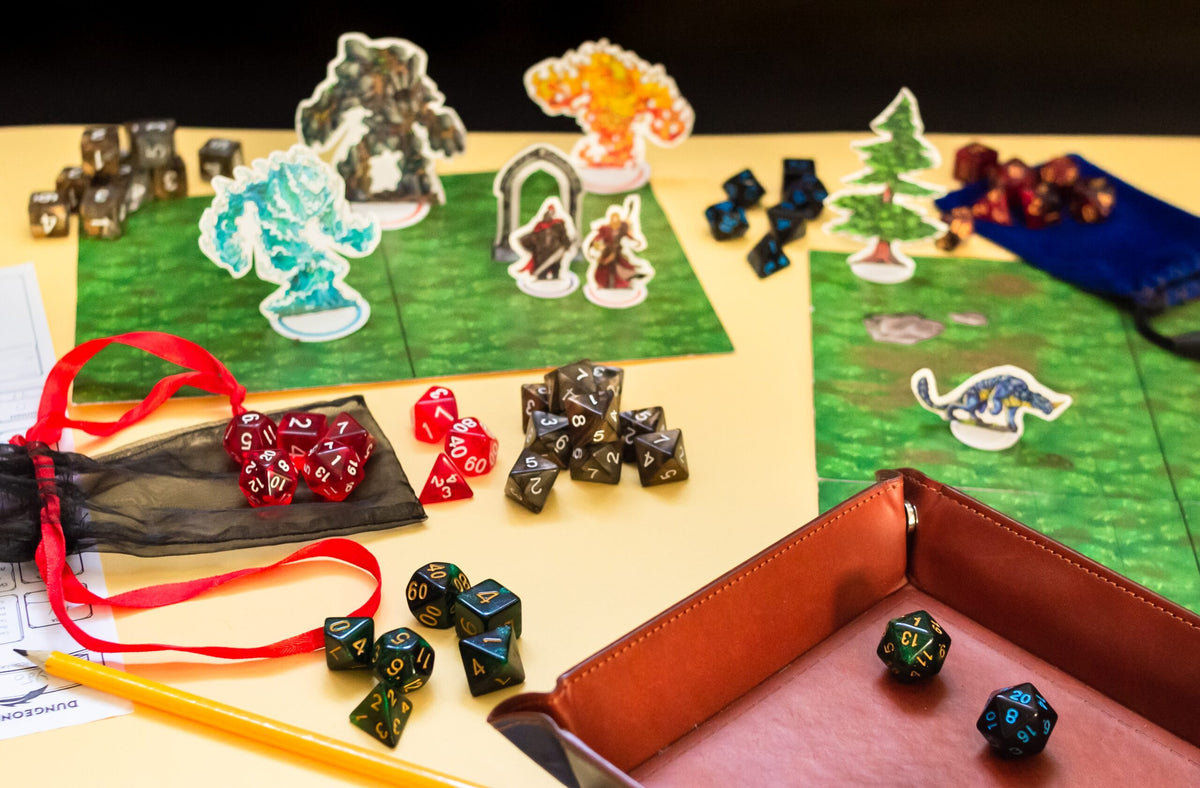
- Dice. Every player needs a seven-dice set: d4, d6, d8, d10, a percentile d10, d12 and d20. If the club buys them, a pound of mixed dice covers a table; if members bring their own, point new players at DnD dice they can pick for themselves.
- Character sheets. For session one, use pre-made characters so the first hour is spent playing rather than reading.
- Pencils with erasers and scrap paper. Hit points change every round.
- A tray and a bag if the dice are shared. A dice tray that folds flat keeps rolls on the table and off the floor, and a compartment dice bag keeps the club's sets from mixing.

New players who want their own set can read what dice you need for DnD before they buy, and anyone unsure what the numbers on each die mean can check how to read each die. Shared club dice get handled by a lot of hands, so a note on keeping dice clean belongs on the sign-up sheet.

How do I run a session zero?
A session zero is the first meeting, held before the campaign starts, where the group agrees on how it will play. It takes about an hour and saves months of friction. If your group wants LGBTQIA+ players to feel at home, see what Tabletop Gaymers does at conventions. Cover these points and write the answers down:
- Tone: lighthearted, serious, horror, or a mix, and anything the group wants kept out of the game.
- Schedule: the day, the start time, the end time, and what happens when the DM cannot make it.
- Absences: whether the game runs without a missing player and who plays that character.
- Characters: build them together so the party fits, or hand out pre-made sheets.
- Table rules: phones, snacks, how disagreements about a rule get settled during play.
For a school club, add the school's own rules on content and supervision to the list, and have the staff sponsor present for session zero.
How often should a DnD club meet, and for how long?
Weekly, same day, same slot, two to three hours. Fortnightly clubs lose the thread between sessions, and anything longer than three hours loses the people with a commute or a curfew.
Send one reminder the day before. Keep it short: date, time, room, and what the party was doing when the last session ended. A recap at the start of each session does the same job for anyone who missed a week.
If attendance will be uneven, run the game so that the party is whoever shows up. Groups that play this way, sometimes called a west marches game, let the DM run each session as a self-contained outing instead of a long plot that stalls when one player is away.
How do I keep players coming back?
Let players own something. The quickest version is their own dice: a player who picks a set tends to show up to roll it. The next is a character they built themselves after a session or two with a pre-made one.
Rotate the DM chair when a second person is ready. A club with two DMs survives holidays and exams. It can also split into two tables when the group passes six players, which is the point where combat slows down and quieter players stop talking.
Put the dice where people can see them. A tray in the middle of the table, a bag per player, and a visible pile of spare dice for newcomers say that the club expects people to stay.

Can a DnD club run at school or online?
Yes to both, with one extra step each.
At school, the club needs a staff sponsor who signs off on the room and the content. Meet after classes, keep the sessions to the length the school allows, and keep a sign-up sheet so the sponsor knows who is in the room. The library version works the same way with a librarian in place of the sponsor. For younger tables, see gaming with kids.
Online, replace the room with a standing video call and a shared folder for character sheets. Players still need their own dice at home, or an agreed digital roller, and a session zero matters more because nobody can read the room through a screen.
If you would rather join a club than start one, ask at the public library, at a local game store, or at the stores that carry FanRoll dice, since shops that stock dice usually know which groups are open to new players.
DnD club questions
How many people do you need to start a DnD club?
One dungeon master and three to five players is a comfortable table, so four people can start a club. Recruit a couple more than you need, because not everyone comes every week, and plan a second table once the room holds more than six regular players.
Does a DnD club cost money to run?
The rules are free on D&D Beyond and most libraries and schools lend the room at no charge, so the main cost is dice. A club can cover that with one pound of mixed dice for the shared pool, and players who want a set of their own buy it when they are ready.
What is a DnD club, exactly?
A DnD club is a group that meets on a regular schedule to play Dungeons & Dragons, usually with one dungeon master running a campaign for the same players week after week. Clubs form at schools, libraries, game stores and homes, and the only fixed requirement is a time and place the group can count on.